Jack Russell Terrier Coat Types
Coat type can be divided into three different categories: smooth, broken, and rough. Sometimes it can be extremely difficult to distinguish what category a terrier falls into.
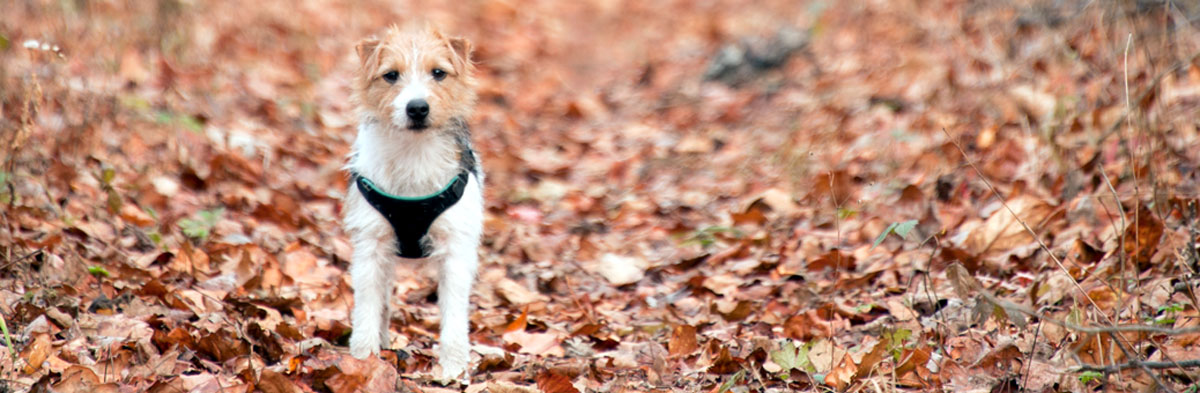
Coat type can be divided into three different categories: smooth, broken, and rough. Sometimes it can be extremely difficult to distinguish what category a terrier falls into.
The following coat definitions have been complied by reviewing the JRTCA breed standard, conversing with conformation judges and members of the breeders committee.
Smooth Coat
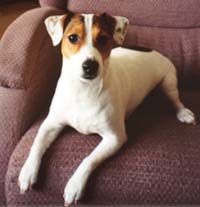
A coat that does not have trace hair on the head, face, legs or body. A smooth coat does not require any alterations to be ready for the show ring. The coat should not be sparse or soft - it should provide protection from the elements.
Broken Coat
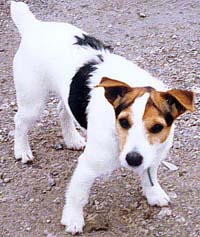
A coat the is very similar to a smooth coat but has trace hair on the head, face, legs or body. A broken coat needs minimal alterations to be ready for the show ring. They will generally only require a quick tidying up. A broken coat should not be soft - it should be harsh to provide protection from the elements.
Rough Coat
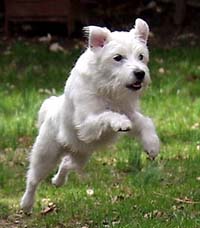
A coat that has excess trace hair on the head, face, legs or body. The hair is longer than on a smooth or broken coat. A rough coat requires more alterations than a broken coat to be ready for the show ring. A rough coat should not be soft or wooly - it should be harsh to provide protection from the elements.
Excepts from an article by Lisa Drinkwater and Cheryl Hart (Jul/Aug 99 True Grit)